Protecting Wildlife Comes First
At Seabreeze Adventures, protecting wildlife and the environment isn’t just part of what we do, it’s our top priority.
Whale watching offers a unique opportunity to observe marine life in its natural habitat. But how we choose to do that matters.
How Boats Can Affect Wildlife Behaviour
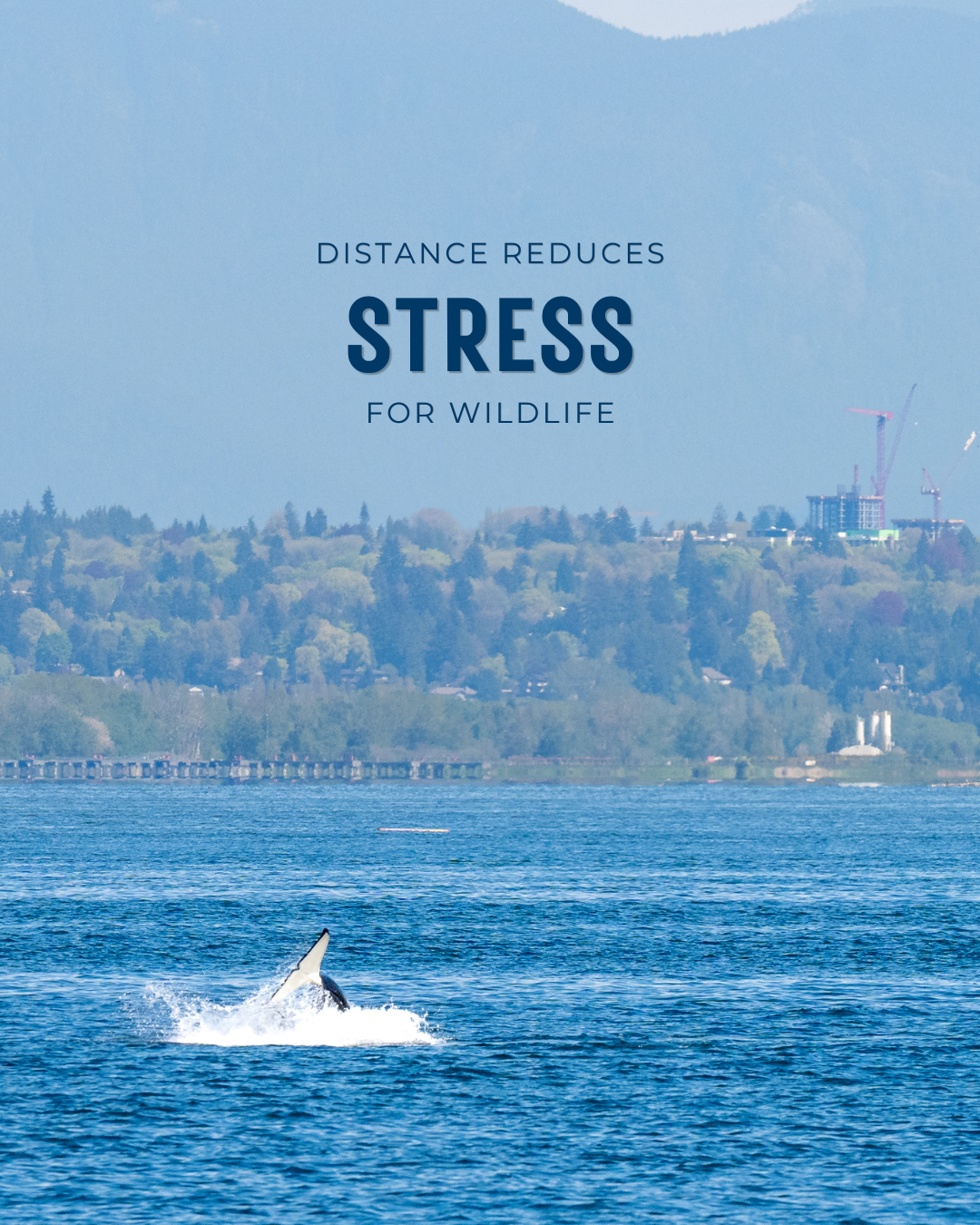
Marine mammals, including whales, can change their behaviour when vessels get too close, even if it isn’t immediately obvious.
This can include:
- interrupting feeding
- altering travel direction
- increasing dive times
- avoiding certain areas altogether
These changes can have real impacts over time, especially in busy waterways like the Salish Sea.
Why Keeping Distance Matters
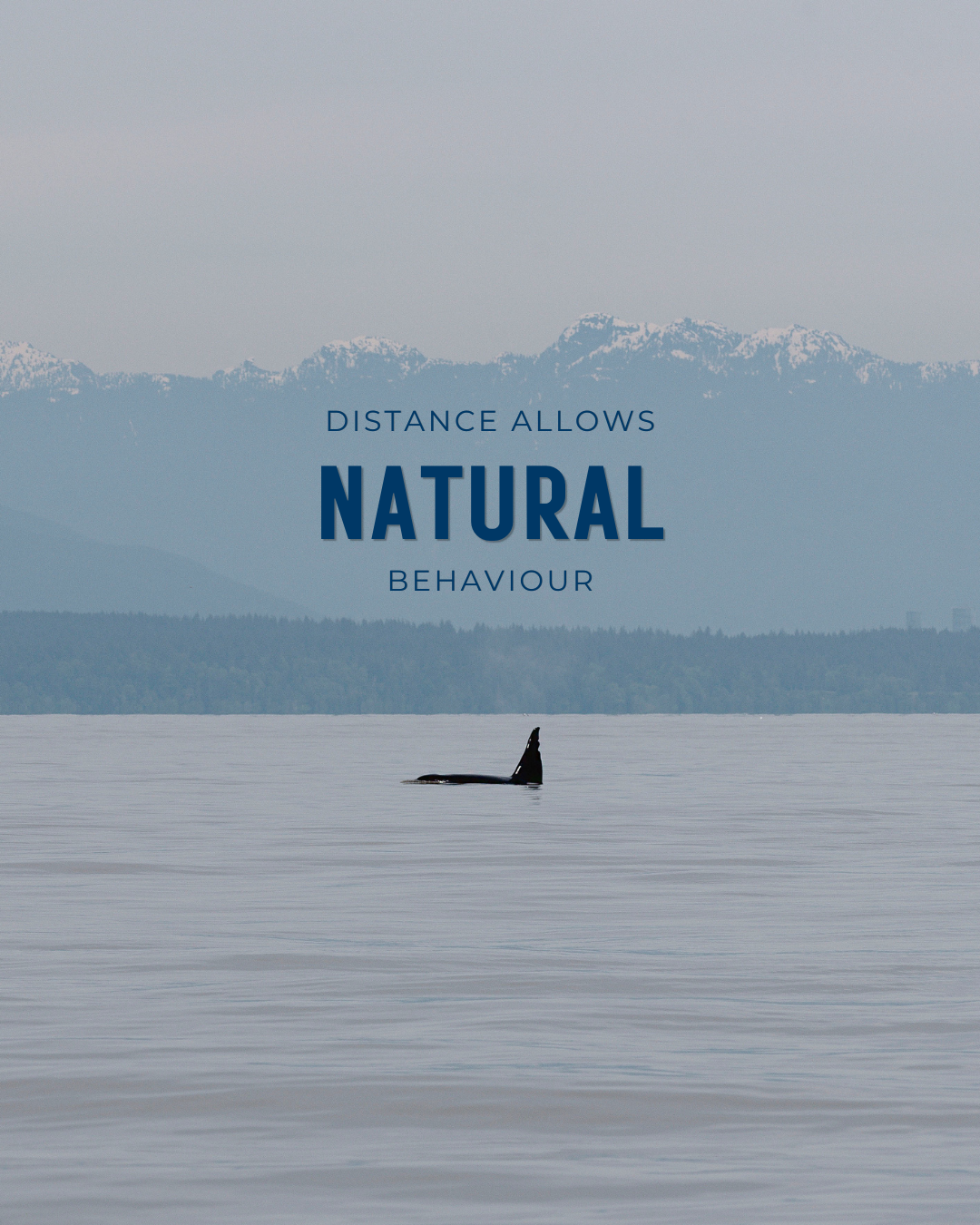
Maintaining a respectful distance allows wildlife to:
- feed without interruption
- rest and conserve energy
- travel naturally through their environment
It also helps ensure that animals continue to use these habitats safely.
Responsible whale watching isn’t about getting as close as possible, it’s about observing without influencing behaviour.
The Role of Responsible Whale Watching
In Vancouver, whale watching is a popular activity, especially during peak travel seasons.
That’s why responsible practices are essential.
At Seabreeze Adventures, we:
- follow all marine mammal viewing regulations
- prioritize wildlife space over proximity
- focus on education and awareness
- operate with conservation in mind
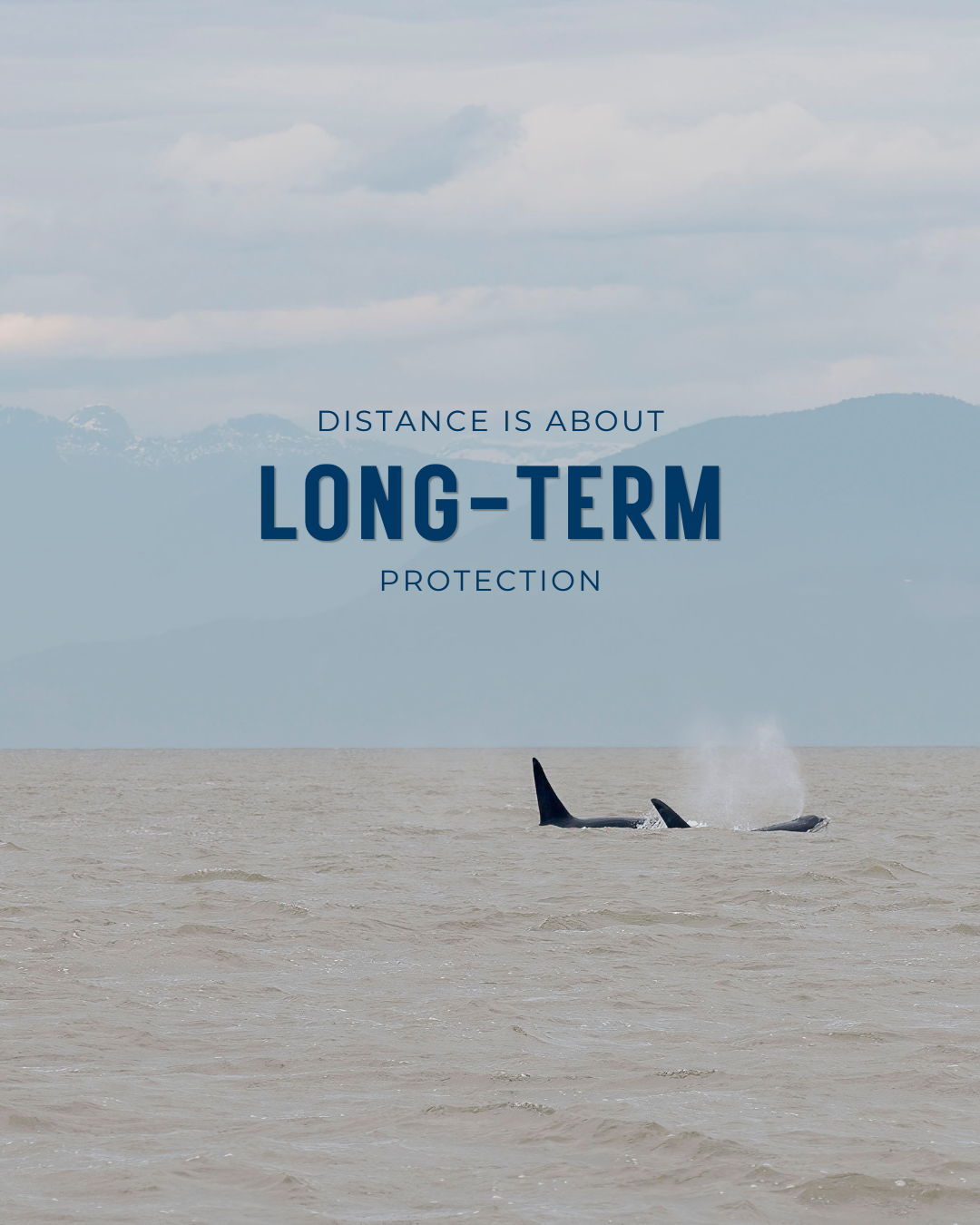
These practices help support long-term protection of marine ecosystems.
Why Photos Can Be Misleading
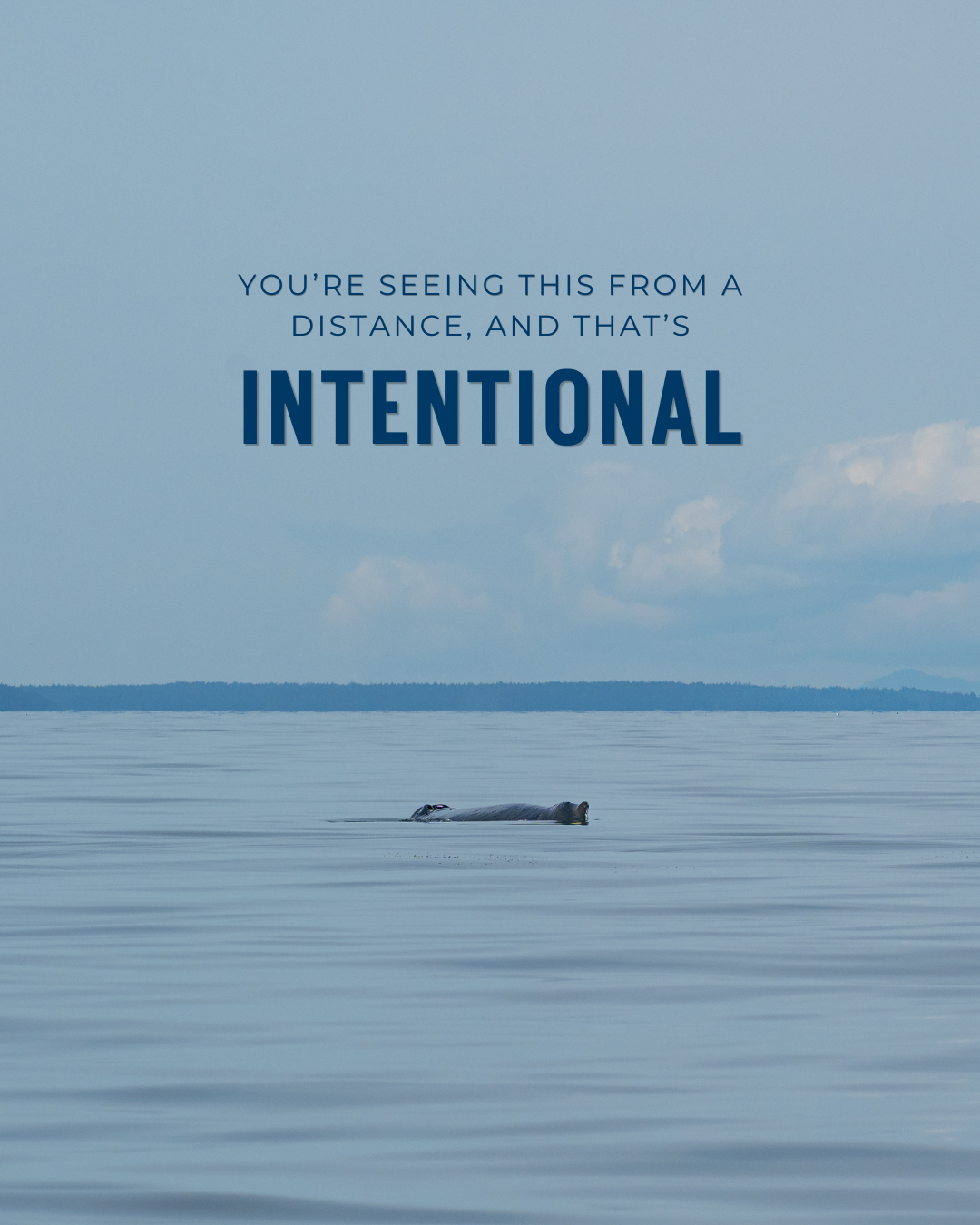
Many whale watching photos appear close-up, but that doesn’t always reflect the actual viewing distance.
Most of the images you see are taken using long telephoto lenses (600mm+) and are often cropped to capture detail.
This allows us to:
- photograph wildlife clearly
- maintain a safe and respectful distance
- avoid disturbing natural behaviour
What looks close in an image is often taken from far away.
A Better Way to Experience Wildlife
Whale watching in the Salish Sea is about more than just sightings.
It’s about:
- understanding animal behaviour
- respecting the environment
- being present in a dynamic ecosystem
By keeping our distance, we help ensure that these experiences remain possible, not just today, but into the future.